
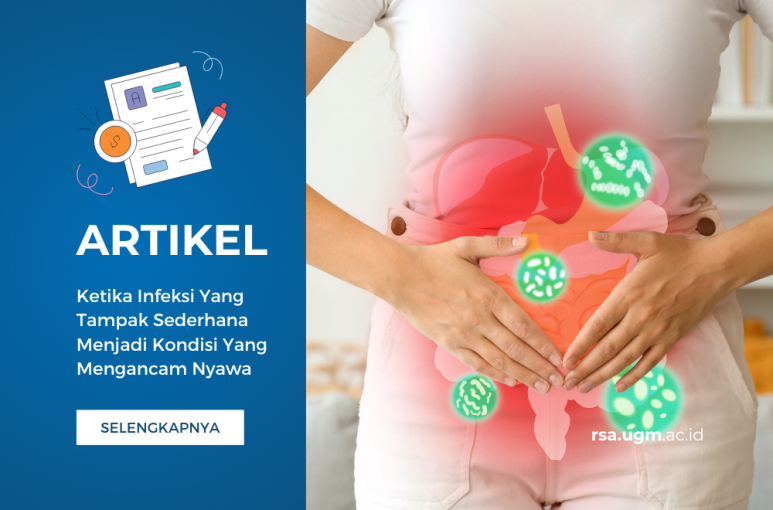
By: Undatun Ulfah, S.Kep., Ners, and dr. Gibran Ilham Setiawan, Sp.P.D.
Imagine someone suffering a small cut from a kitchen knife, or someone experiencing a urinary tract infection that initially feels like nothing more than a frequent urge to urinate. We may consider it a minor problem that will get better on its own. However, under certain circumstances, an infection can develop into a much more serious condition known as sepsis.
Sepsis occurs when the body’s response to an infection becomes uncontrolled and causes damage to its own organs. In severe cases, sepsis can cause a drastic drop in blood pressure and failure of vital organs to function. This condition is known as septic shock and can be fatal.
Importantly, sepsis does not always occur suddenly without warning signs. Recognizing an infection and identifying signs of deterioration early can help a person receive medical attention more quickly.
What Is Sepsis?
Simply put, sepsis can be understood as an excessive and uncontrolled response by the body to an infection that results in impaired organ function.
When the body encounters germs, the immune system works to fight the infection. This response is a normal defense mechanism. Problems arise when the response becomes excessive and uncontrolled.
Inflammation that is initially intended to fight germs can cause damage to tissues and organs, including the lungs, kidneys, heart, and brain. As the condition becomes more severe, blood pressure may fall and blood flow to vital organs may become insufficient. This can progress to septic shock.
In other words, in sepsis, the problem is not only the germs themselves, but also the body’s response to the infection.
Where Does Sepsis Come From?
Sepsis almost always begins with an infection. Infections can originate from various parts of the body, but some of the most common sources include:
- The lungs, such as pneumonia or lung infections.
- The urinary tract, such as urinary tract infections or kidney infections.
- The skin and soft tissues, such as infections in wounds or inflamed tissues.
- The digestive tract or abdominal cavity, such as infections caused by leakage or severe inflammation in the abdomen.
Various types of microorganisms can cause infections that subsequently develop into sepsis, particularly bacteria such as Escherichia coli, Staphylococcus aureus, and Streptococcus.
However, it is important to remember that sepsis can occur in anyone, although the risk is higher in certain groups.
Who Is at Higher Risk?
Some people are more vulnerable to severe infections and sepsis, including:
- Older adults, especially those with underlying medical conditions.
- Infants and young children, particularly in cases of severe infection.
- People with weakened immune systems, for example due to certain diseases or medications that suppress the immune system.
- People with chronic diseases such as diabetes, cancer, chronic lung disease, kidney disease, or liver disease.
- Patients who have recently undergone surgery or invasive medical procedures.
- Pregnant women or women who have recently given birth, particularly when certain infections or complications are present.
- Patients who frequently receive hospital care or have previously been treated in an intensive care unit (ICU).
- People who use antibiotics inappropriately, as improper antibiotic use can contribute to the emergence of antibiotic-resistant bacteria.
Sepsis Education and Warning Signs of Infection Sepsis Education and Warning Signs of Infection
What Signs Should You Watch For?
One of the challenges of sepsis is that its symptoms may initially look like an ordinary infection. A person may only experience fever, coughing, pain when urinating, or a wound that appears inflamed.
However, as the condition becomes more severe, the body may begin to show signs that the infection is affecting organ function. Warning signs include:
- High fever or an unusually low body temperature.
- An increased heart rate.
- Rapid breathing or shortness of breath.
- Low blood pressure.
- Weakness or appearing very ill.
- Nausea, vomiting, or other digestive symptoms.
- Body aches or severe pain.
- Confusion, excessive drowsiness, difficulty communicating, or decreased consciousness.
- A significant change in the person’s overall condition.
For example, someone who initially has only a urinary tract infection may suddenly become extremely weak, breathe rapidly, appear drowsy or confused, and experience a drop in blood pressure. Such a condition should not be considered an ordinary infection and requires immediate medical evaluation.
How Is Sepsis Treated?
Sepsis is a medical emergency. The sooner it is recognized and treated, the greater the opportunity to prevent more severe organ damage. Treatment in a hospital may include:
1. Treating the Infection
If a bacterial infection is suspected, doctors may administer appropriate antibiotics. The choice of antibiotic is adjusted according to the source of infection, the patient’s condition, the microorganisms that may be involved, and microbiological test results when available.
2. Controlling the Source of Infection
Antibiotics alone are not always sufficient.
If there is an abscess, severely infected tissue, or another source of infection requiring intervention, doctors may perform drainage, surgery, or other procedures to control the source of infection.
3. Maintaining Blood Flow and Organ Function
Patients may require intravenous fluids, oxygen, and, in certain conditions, medications to maintain blood pressure so that adequate blood flow to vital organs can be maintained.
4. Managing Other Body Functions
Doctors will also monitor and manage blood glucose levels, fluid and electrolyte balance, heart function, lung function, kidney function, and other organ functions.
5. Kidney Replacement Therapy When Necessary
In some patients with severe sepsis, kidney function may deteriorate and lead to acute kidney failure. In certain circumstances, patients may require kidney replacement therapy, including hemodialysis.
Can Sepsis Be Prevented?
Not all cases of sepsis can be prevented. However, preventing infections and recognizing infections early are important steps in reducing the risk.
Some simple daily practices include:
1. Make Handwashing a Habit
Wash your hands with soap and running water, especially before eating, after using the toilet, and after touching a wound or infected area.
2. Take Good Care of Wounds
Wounds, especially deep wounds or surgical wounds, should be cared for according to healthcare professionals’ instructions. Do not wait until a wound becomes increasingly red, swollen, produces pus, or is accompanied by fever before seeking medical attention.
3. Do Not Underestimate an Infection
Fever, coughing, pain when urinating, pus-filled wounds, or other signs of infection do not necessarily mean sepsis. However, if symptoms become more severe or the person’s condition deteriorates rapidly, seek medical attention immediately.
4. Use Antibiotics Responsibly
Antibiotics are not medicines for every fever or infection. Do not purchase or take antibiotics without an appropriate medical indication, and do not stop taking antibiotics arbitrarily without consulting a doctor. Improper antibiotic use can cause bacterial resistance, making future infections more difficult to treat.
5. Manage Chronic Diseases
Diabetes, kidney disease, lung disease, cancer, and other chronic conditions can increase the risk of severe infection. Regular management and monitoring of these conditions are an important part of prevention.
6. Keep Vaccinations Up to Date
Vaccination can help prevent several infections that may become severe, including certain respiratory infections such as influenza and pneumonia.
7. Adopt a Healthy Lifestyle
A balanced diet, adequate physical activity, good sleep, not smoking, and avoiding excessive alcohol consumption can help maintain overall health.
8. Don’t Wait Until It’s Too Late
Sepsis can begin with something that appears simple: a lung infection, urinary tract infection, skin wound, or infection in the abdomen.
Therefore, do not focus only on how small or mild the infection appears. Pay attention to the person’s overall condition.
If someone with an infection suddenly becomes extremely weak, breathes rapidly or experiences shortness of breath, develops low blood pressure, becomes confused, excessively drowsy, or experiences decreased consciousness, do not wait for the condition to improve on its own. Seek medical attention immediately.
“Recognizing sepsis early can be an important step toward saving lives.”
References
- Singer M, Deutschman CS, Seymour CW, et al. The Third International Consensus Definitions for Sepsis and Septic Shock (Sepsis-3). JAMA. 2016;315(8):801–810. doi:10.1001/jama.2016.0287.
- Evans L, Rhodes A, Alhazzani W, et al. Surviving Sepsis Campaign: International Guidelines for Management of Sepsis and Septic Shock 2021. Intensive Care Medicine. 2021;47:1181–1247. doi:10.1007/s00134-021-06506-y.
- Society of Critical Care Medicine (SCCM). Surviving Sepsis Campaign: International Guidelines for Management of Sepsis and Septic Shock 2026. SCCM; 2026.
- World Health Organization. Sepsis. Geneva: World Health Organization; 2024.
- Centers for Disease Control and Prevention. Infections That Can Lead to Sepsis. CDC; 2025.